
Knowledge hub
Lightweight, compact and reliable: a travel first-aid kit
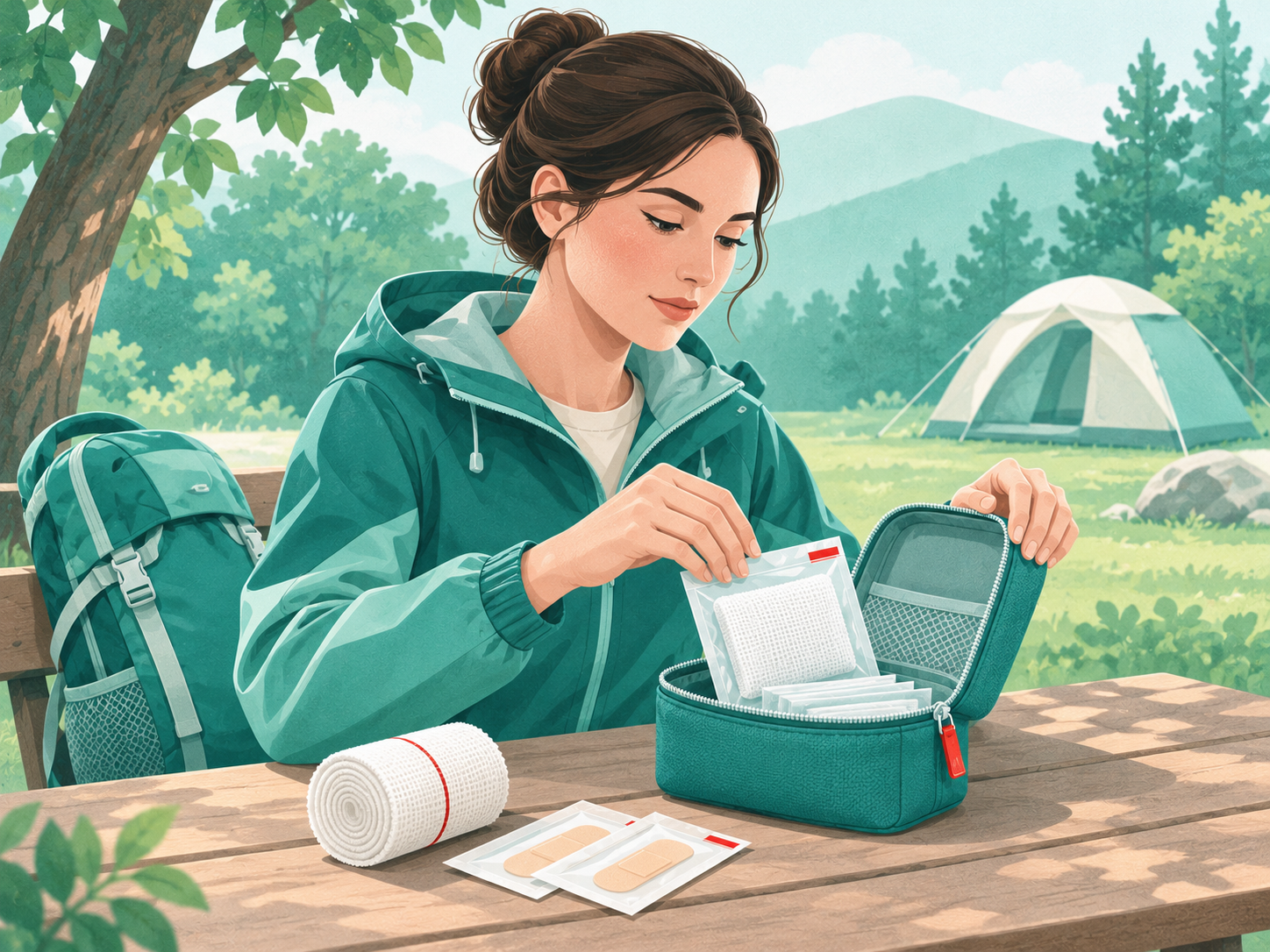
Spring and summer bring travel, picnics and outdoor activities. Even on a relaxing trip, it helps to prepare for minor cuts, bruises, insect bites or a sudden headache.
NewFarm suggests taking a compact first-aid kit with disposable medical supplies. They take up little space and help you manage minor injuries hygienically. The aim is to keep essentials close at hand without unnecessary weight.
NewFarm suggests taking a compact first-aid kit with disposable medical supplies. They take up little space and help you manage minor injuries hygienically. The aim is to keep essentials close at hand without unnecessary weight.
What to pack
1. Gauze swabs
2. Nonwoven swabs
3. Gauze bandages
4. Nonwoven bandages
5. Elastic bandage
6. Cohesive bandage
7. Cotton wool
8. Disposable gloves
9. Adhesive plasters in different sizes
1. Gauze swabs
- For cleaning wounds, controlling bleeding and caring for abrasions.
- Sterile and absorbent, they take up blood and other fluids without leaving lint in the wound.
- Individually wrapped swabs let you take a few without compromising the sterility of the rest.
2. Nonwoven swabs
- For minor injuries and cleaning the skin around a wound.
- Soft and non-adherent, they can be used as disposable dressings without irritating the skin.
3. Gauze bandages
- For securing dressings, covering wounds and creating a protective layer.
- Breathable natural material suitable for sensitive skin.
4. Nonwoven bandages
- For quickly securing first-aid dressings.
- Non-stretch, shape-retaining and hypoallergenic.
5. Elastic bandage
- For supporting joints after sprains or bruising and providing compression.
- Fits closely, stays in place during movement and provides compression support.
6. Cohesive bandage
- For securing a dressing or splint without knots.
- Adheres to itself rather than skin or hair and can be torn by hand without scissors.
7. Cotton wool
- For cleaning, applying antiseptic solutions and hygiene tasks.
- Soft and absorbent for personal care.
8. Disposable gloves
- For protecting hands during wound care, bleeding control and splinter removal.
- Help prevent contamination between the hands and the wound.
9. Adhesive plasters in different sizes
- For covering minor injuries and protecting blisters from further friction.
- Useful for small wounds and scratches. Include several sizes and waterproof options.
NewFarm’s tips for packing an outdoor first-aid kit
To keep your kit practical and ready to use:
Pack supplies in a sealed container or sturdy waterproof bag to protect them from rain and spills.
Alongside dressings, include pain relief for headaches or toothache and allergy medication, particularly for insect bites and pollen season.
Include tweezers and small scissors. Tweezers can help remove splinters, ticks or small foreign bodies; scissors are useful for cutting bandages and plasters.
Check expiry dates before each trip and make sure medical supplies are in intact packaging and fit for use.
Enjoy an active summer — and may your first-aid kit remain a precaution you never need.